August 31, 2026
The importance of timing in hiring a tree removal service can't be overstated, as it significantly impacts safety, cost, and efficiency. Trees are a valuable part of our ecosystems and landscapes, and removing them should be done with utmost consideration and planning. Poor timing in tree removal can lead to increased risks, inflated costs, and potentially adverse effects on local ecosystems. Understanding when to schedule these services can ensure a smooth process that benefits both homeowners and the environment. Through careful consideration and planning, tree removal can be executed safely and economically, with minimal disruption to all stakeholders involved.
Understanding Seasonal Factors
Impact of Weather Conditions
Weather conditions play a crucial role in determining the best time for tree removal service. Adverse weather, such as heavy rain, strong winds, or snow, can hinder the progress and safety of removal operations. When scheduling tree removal, it's crucial to choose a season when weather conditions are stable, typically early spring or late winter. This minimizes risks associated with falling branches and ensures a safer working environment for tree removal professionals. Additionally, dry conditions during these periods help reduce the mess created during the process, resulting in a cleaner removal site.
Working around the weather isn't only about safety; it's also about efficiency. Dry and mild conditions mean the ground is more manageable, equipment operates more effectively, and workers can execute their tasks without significant weather-related interruptions. Conversely, extreme weather can lead to delays, equipment malfunctions, and increased labor costs. Customers should keep in mind that during off-peak seasons, tree removal companies may offer lower rates, providing an economic incentive to schedule these services strategically. Therefore, understanding and anticipating weather conditions and their impact on tree removal can enhance the safety and effectiveness of the process.
Growth Cycles of Trees
The growth cycles of trees are another vital consideration when planning for tree removal service. Trees undergo periods of active growth and dormancy, typically influenced by the changing seasons. During dormancy, trees expend less energy and have fewer leaves, making them lighter and easier to manage. This period, which usually falls in late fall and winter, is often considered the best time for tree removal as it minimizes the impact on the tree's health and the surrounding landscape. Furthermore, removing a tree during dormancy reduces the risk of disease spread and insect infestation, as many pests and pathogens are less active during colder months.
Understanding tree biology helps homeowners make informed decisions and avoid unnecessary damage to their landscaping. By timing tree removal to coincide with dormancy periods, individuals can ensure that the removal process is less invasive and more cost-effective. In warmer months, trees are in full bloom with a full canopy, which requires additional time and labor to trim and remove, potentially increasing costs. According to HomeGuide, tree removal costs can fluctuate seasonally and customers may see 10% to 20% higher prices in summer and fall, when demand peaks. Consequently, aligning tree removal with growth cycles allows homeowners to save money while preserving the health of their surrounding vegetation.
Peak and Off-Peak Seasons
The concept of peak and off-peak seasons is fundamental to understanding how the timing of tree removal impacts costs and service availability. Peak season for tree removal typically occurs during late spring to early fall when trees are fully leafed out, and demand for landscaping and yard maintenance services tends to rise. During these months, tree removal companies face higher demand, resulting in increased prices and potentially longer waiting times for customers. Consequently, scheduling removal services ahead of the peak season can lead to significant savings and ensure timely execution of the task.
Availability of Services
Seasonal fluctuations affect the availability of tree removal services, making it critical for homeowners to consider timing in their planning. During peak seasons, tree removal professionals are often inundated with requests, leading to limited availability and potentially prolonged wait times for service. Homeowners who plan ahead and book services early can secure their preferred appointment slots, minimizing the inconvenience and uncertainty that can accompany last-minute scheduling. As a result, timing not only influences cost but also dictates the quality and convenience of services received.
Effect on Surrounding Landscape
The timing of tree removal can significantly impact the surrounding landscape, influencing how well the space can integrate and recover after the operation. Removing trees during dormant phases, typically late fall or winter, ensures minimal disruption to the landscape's aesthetic and ecological integrity. With most plants either hibernating or growing slowly during these periods, the risk of damaging sensitive vegetation is greatly reduced. Planning tree removal with consideration for the surrounding landscape results in a more seamless transition and prescribes healthier conditions for post-removal rehabilitation.
Safety Concerns and Considerations
Handling Hazardous Trees
Safety is paramount when dealing with hazardous trees, making timing a crucial factor in minimizing risks. Trees can become hazardous due to disease, decay, or structural instability, posing significant threats to life and property. Swift removal of such trees is imperative to avert potential disasters, but it requires precision and timing to optimize safety. Engaging tree removal service experts to assess the risk and determine the urgency of removal based on the tree's condition and surrounding factors is critical. By managing hazardous trees promptly and appropriately, the danger to property and individuals can be effectively reduced.
Expertise in Dangerous Conditions
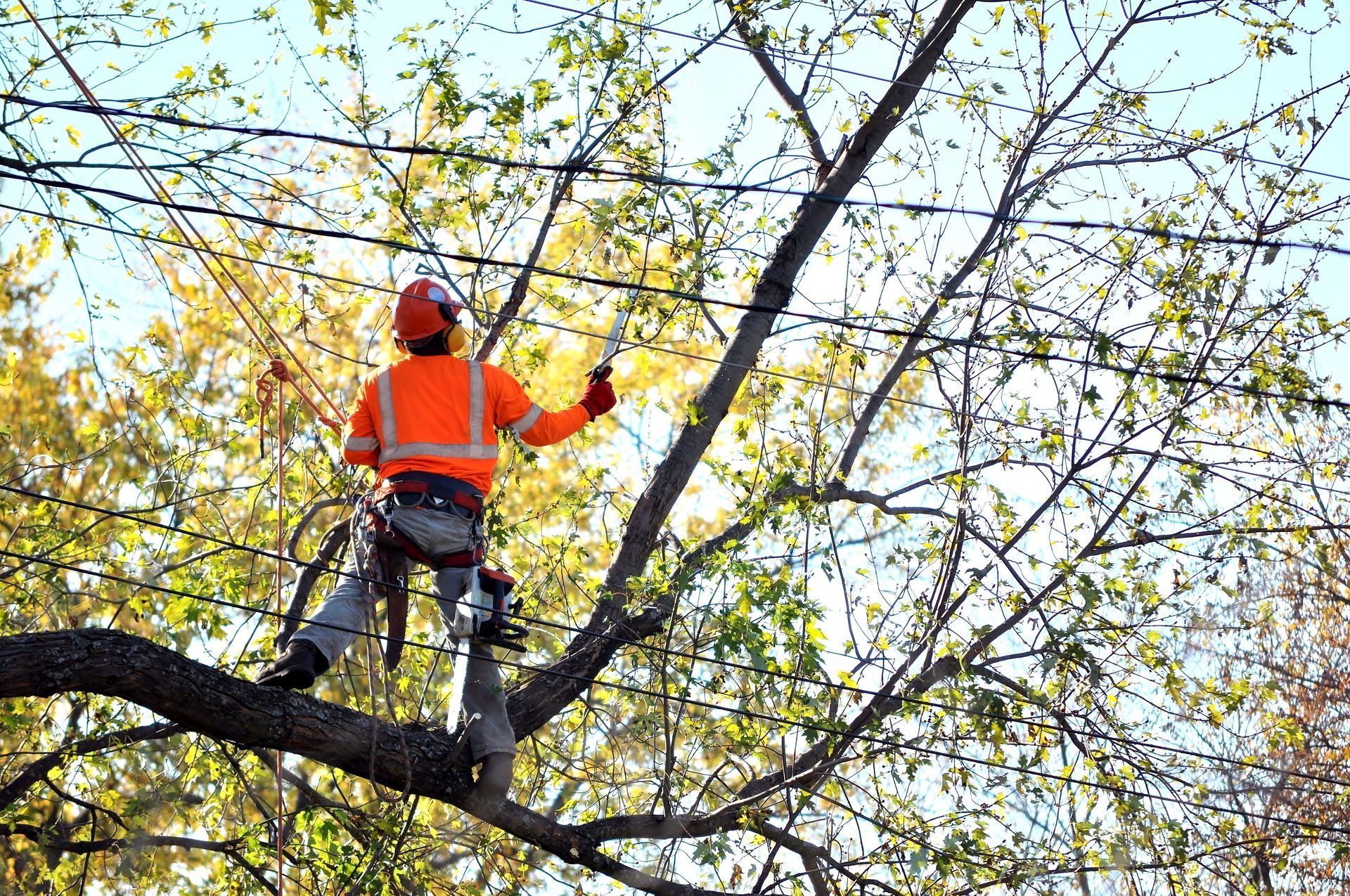
Tree removal in dangerous conditions calls for a high level of expertise and careful timing to maintain safety. Specialists trained in handling risky and complex scenarios must be engaged to navigate hazardous environments and scenarios. Proper timing considerations, such as scheduling removals during calm weather and utilizing daylight hours, are essential to enhance safety and outcomes. Conditions such as proximity to power lines, neighboring structures, or uneven terrain require precise calculations and skillful execution. Thanks to detailed planning and preemptive measures, challenging removal projects can be accomplished without compromising safety or efficacy.
Ensuring Personnel Safety
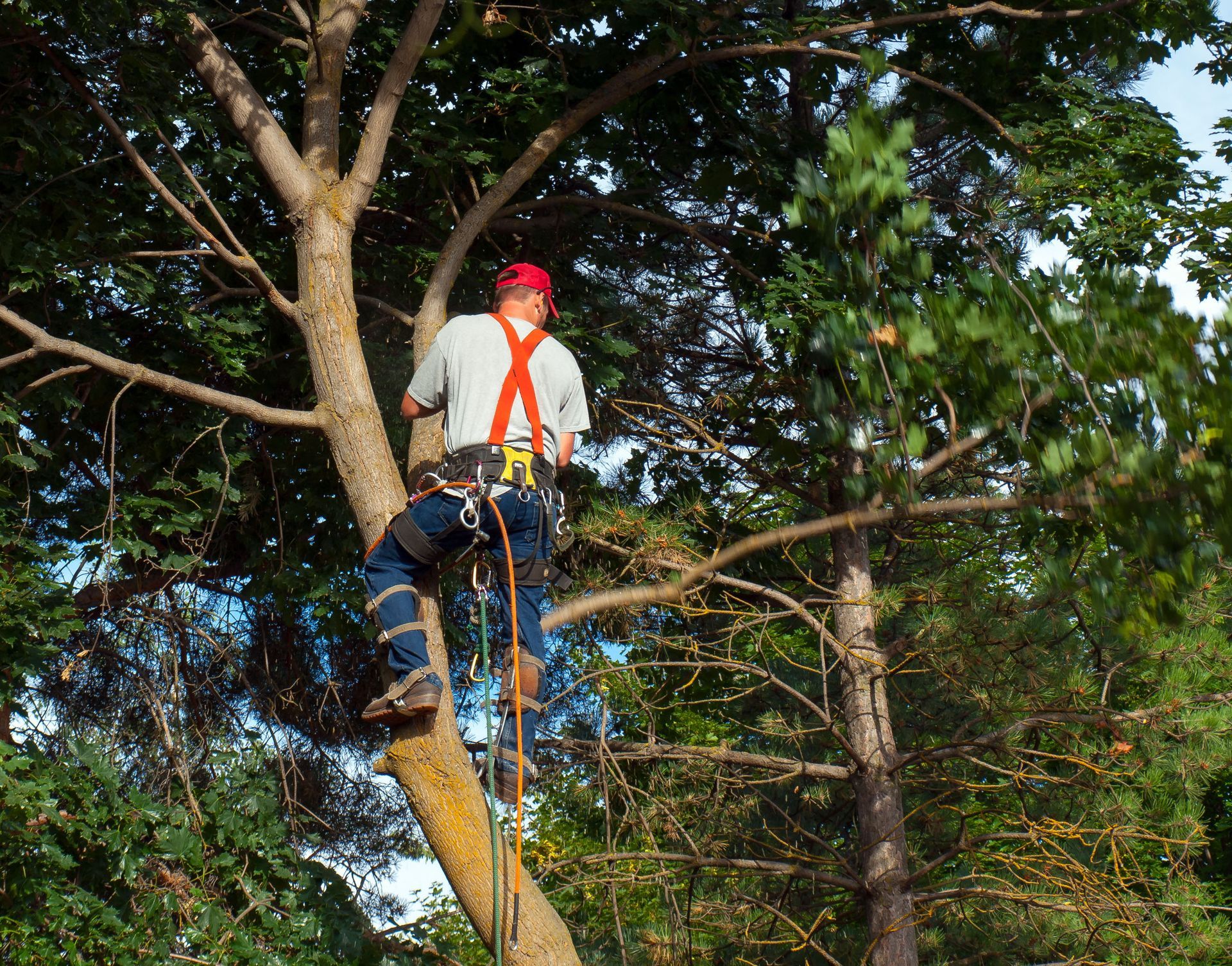
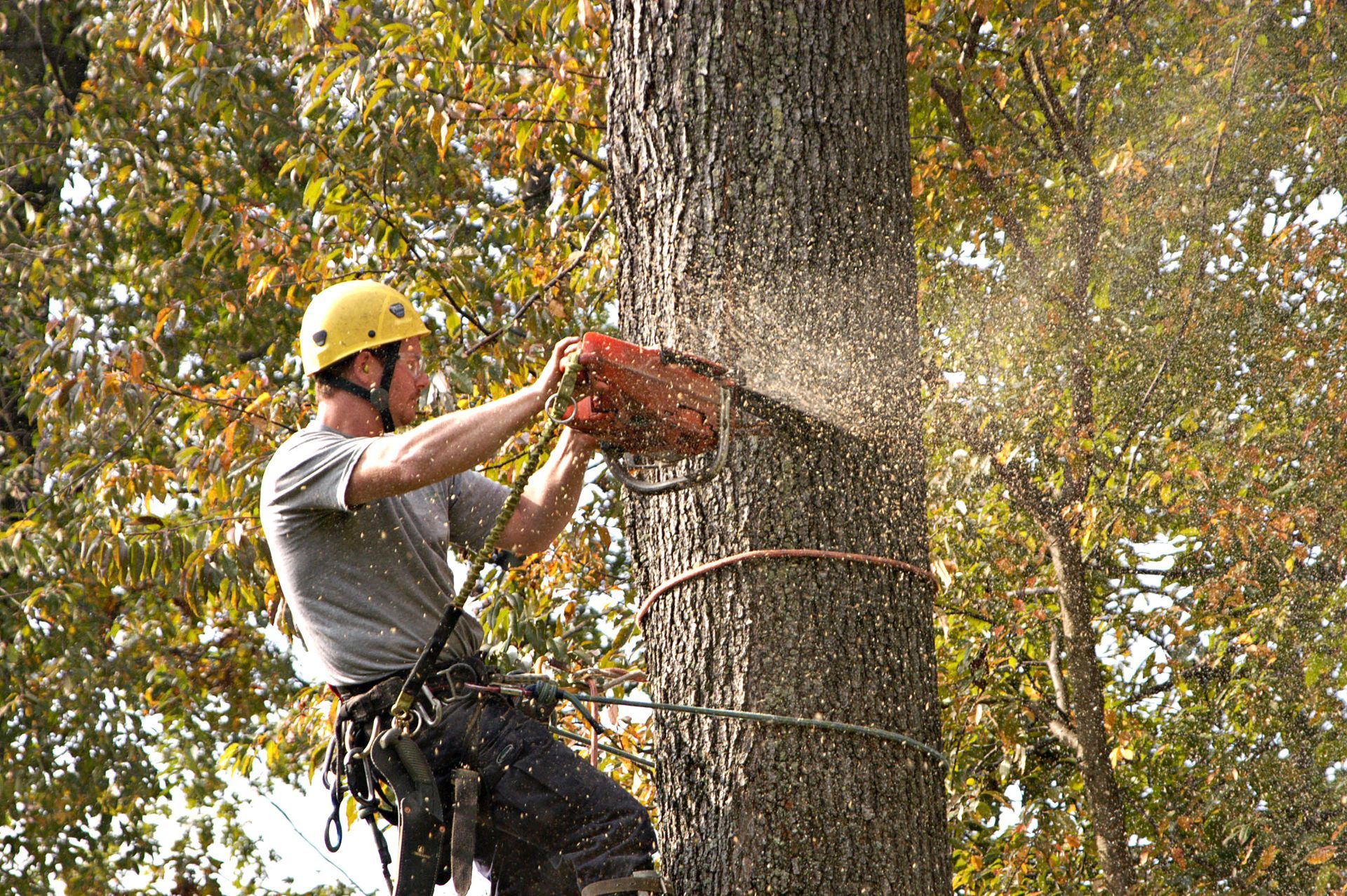
Planning the timing of tree removal jobs is integral to ensuring the safety of personnel involved in the process. Factors such as weather conditions, light availability, and the scheduling of necessary resources and support can greatly impact the safety and well-being of workers on-site. By selecting optimal timing, companies can mitigate risks related to heat stress, decreased visibility, and compromised equipment functionality. By prioritizing personnel safety through intelligent scheduling, tree removal crews can operate more effectively and securely, minimizing the potential for accidents and injuries.
Public Safety Implications
The proper timing of tree removal also plays a crucial role in ensuring broader public safety. Trees situated near public pathways, utility lines, or commonly trafficked areas pose specific risks that must be managed meticulously. Mistimed removals, especially during peak pedestrian or vehicular activity, can lead to accidents and unintended disruptions. By scheduling operations during off-peak hours or seasons, when public engagement is lower, the risks to public safety can be minimized effectively. Additionally, employing adequate signage, barriers, and communication alerts contribute to maintaining safety standards and public awareness during removal activities.
Importance of Proper Timing for Minimal Risk
For tree removal, proper timing is pivotal in reducing risks to both individuals and property. A thorough understanding of seasonal variations, growth cycles, regional weather, and local regulations should inform the scheduling of removals to ensure a safe operation. Aligning removal operations with these timing factors assists in minimizing potential damage or injuries that may result from hurried or ill-considered removals. As a proactive measure, timing promotes the thoughtful consideration of variables that influence the success and safety of tree removal projects. Consequently, proper timing translates into an operational best practice, protecting all involved parties and mitigating risk across the board.
Strategic timing is the cornerstone of safe and affordable tree removal service. By aligning operations with seasonal dormancy, favorable weather, and off-peak periods, you can significantly lower costs, safeguard crew and public safety, and minimize harm to the local ecosystem. To learn more, reach out to the experts at Costa Tree Service, LLC today.