August 30, 2026
Mature trees add undeniable aesthetic charm, environmental value, and shade to residential properties, but neglected or compromised timber can quickly transform into a severe liability. Disease, hidden structural decay, invasive root systems, and severe weather events can turn an imposing tree into a major threat to nearby structures. Recognizing when a tree endangers your home is essential to protecting your physical safety and your financial investment.
Engaging certified arborists for timely, professional tree removals offers a proactive strategy to eliminate hazards before expensive structural destruction occurs. Expert technicians possess the specialized equipment, rigging experience, and biological insight required to dismantle dangerous trees safely without harming surrounding landscapes or utility infrastructure. Understanding the financial implications of unmanaged trees and the preventative advantages of expert intervention empowers homeowners to safeguard their residences effectively.
Identifying Hazardous Trees and Potential Risks
Determining whether a tree poses an active threat requires recognizing subtle physical indicators before a structural failure occurs on your property.
Fungal growth around the base, peeling bark, hollow trunks, and early leaf discoloration are clear warning signs of underlying decay. Internal rotting compromises a tree's core integrity, drastically reducing its capacity to withstand heavy winds. Similarly, physical structural flaws such as deep trunk splits, co-dominant stems, and heavy sudden leans signal imminent danger. Certified arborists perform detailed evaluations to catch these internal weaknesses before branches or entire trunks collapse onto nearby roofs.
Trees positioned too close to residential structures pose continuous risks above and below ground. Overhanging limbs can drop heavy debris during storms, while aggressive root systems encroach on concrete foundations, retaining walls, and underground plumbing lines. Severe weather events, including high winds and heavy snow accumulation, rapidly amplify these vulnerabilities. When root systems are weakened by disease or soil erosion, severe storms can easily uproot massive specimens, causing catastrophic structural failure.
The Financial Implications of Unmanaged Tree Growth
Failing to manage declining trees on your property introduces serious financial liabilities that far exceed the cost of preventative maintenance.
When heavy branches or entire trunks fall onto a residence, the resulting structural damage to roofs, siding, and structural framing can cost tens of thousands of dollars to repair. According to IBISWorld, the tree service industry is estimated to be worth $39.5 billion in 2025, reflecting the massive scale of property maintenance and hazardous tree mitigation conducted across the country. Ignoring known tree hazards can also lead to increased homeowner insurance premiums or denied claims if an insurer determines that structural damage resulted from long-term homeowner neglect.
Neglected trees that overhang neighboring properties create significant legal exposure. If a dead branch from your property falls and damages a neighbor's vehicle or home, you may be held legally liable for the financial losses. Furthermore, overgrown, dying, or unmaintained trees diminish overall curb appeal and decrease property valuation. Waiting for an emergency storm collapse also incurs premium after-hours removal fees, whereas scheduling planned tree removals saves substantial money while eliminating unexpected safety threats.
The Benefits of Professional Assessment and Intervention
Executing safe tree removals requires advanced mechanical precision, scientific knowledge, and specialized safety gear.
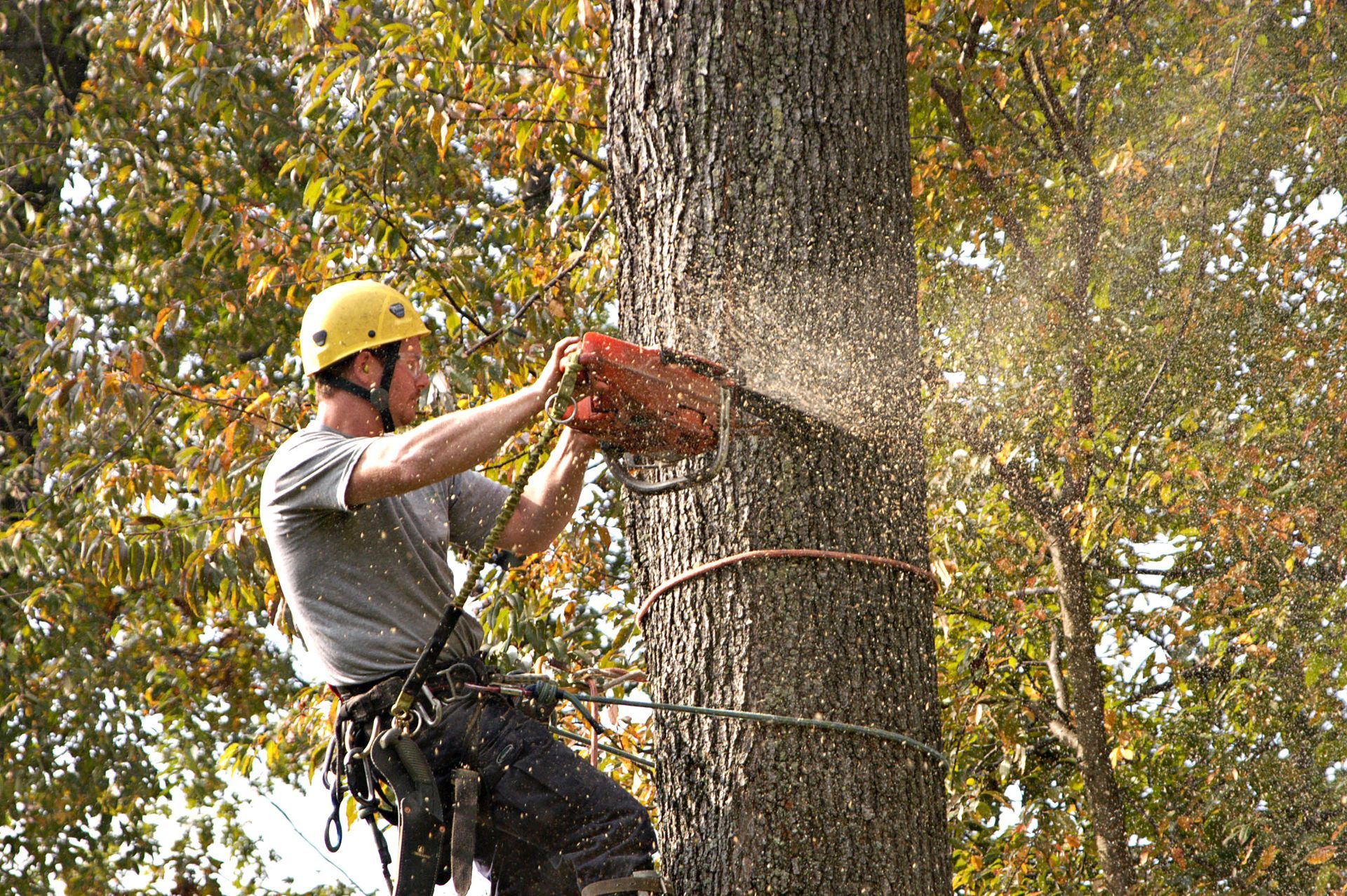
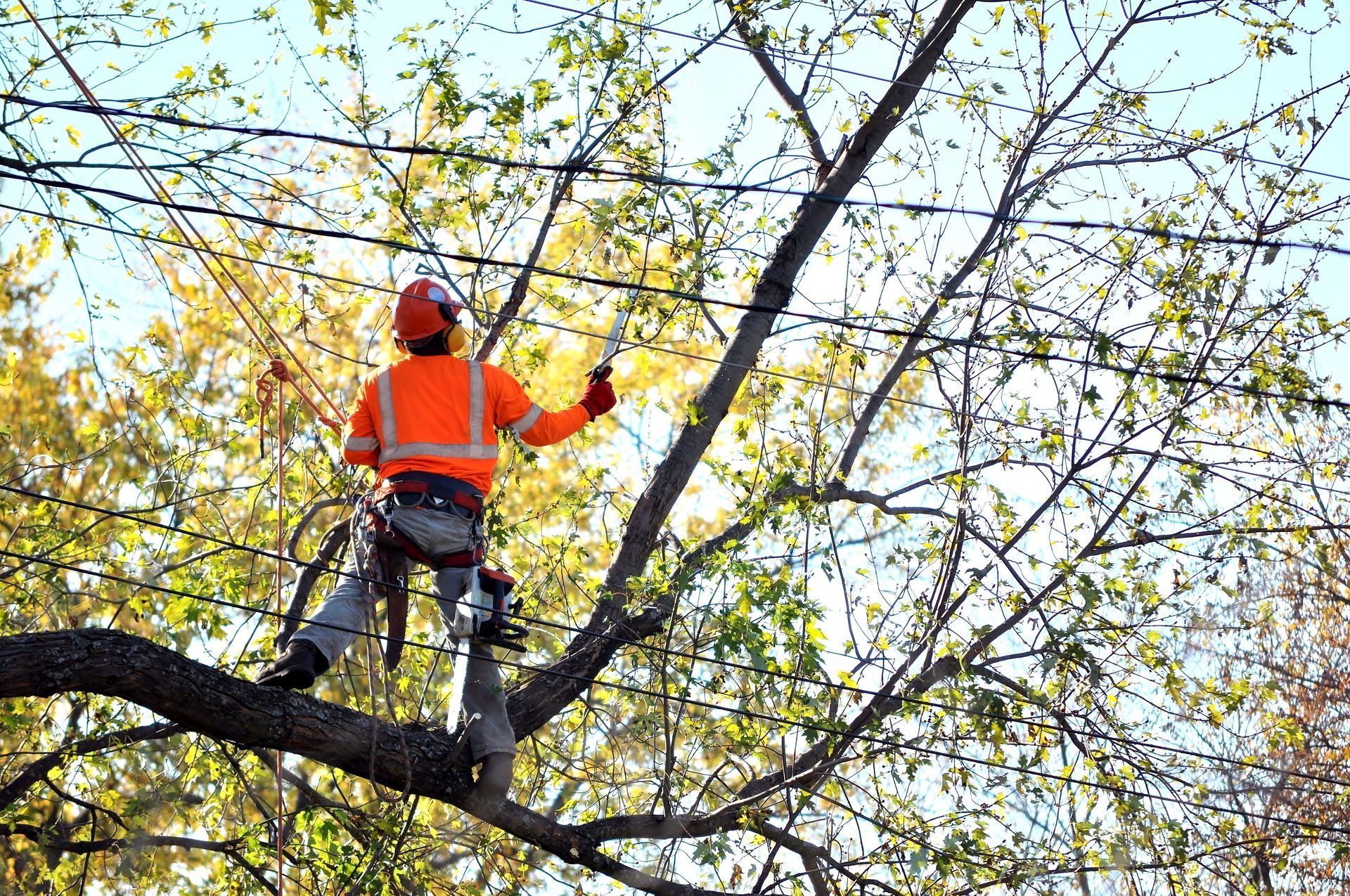
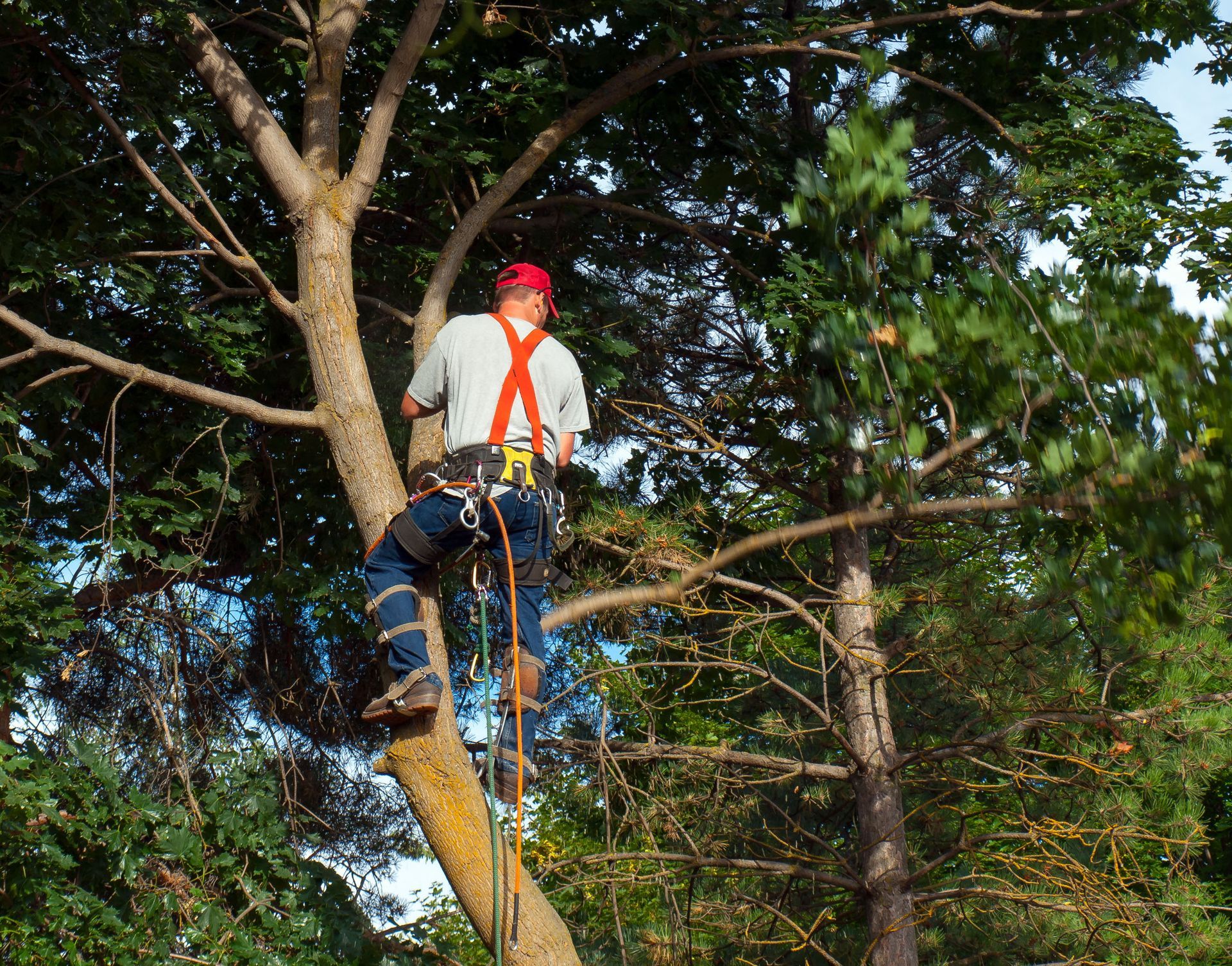
Professional arborists are trained to evaluate subtle environmental and structural factors that untrained eyes miss. When dealing with hazardous specimens in tight urban settings, arborists utilize advanced rigging techniques, controlled sectional cutting, and precision drop protocols. Draining weight systematically from the top down ensures that heavy sections are lowered safely without impacting nearby structures.
Executing complex removals requires heavy-duty equipment, including cranes, bucket trucks, commercial wood chippers, and high-capacity winches. Commercial equipment allows technical teams to navigate restricted spaces cleanly and quickly. Professional providers complement this machinery with comprehensive risk evaluations, developing long-term property management strategies that balance canopy health, structural safety, and long-term landscape preservation.
Preventing Collateral Damage to Landscaping and Infrastructure
A major advantage of hiring certified specialists is protecting the surrounding property from damage during heavy extraction work.
Removing a multi-ton tree without damaging delicate turf, garden beds, or underground infrastructure requires meticulous planning. Professional crews utilize heavy ground-protection mats to distribute machinery weight, preventing lawn compaction and rutting. Arborists also cross-reference utility maps to ensure that falling limbs or deep root extractions do not compromise underground power lines, gas pipes, or irrigation systems.
Controlled extraction methods prevent heavy wood segments from impacting concrete driveways, stone walkways, or adjacent home siding. By deploying protective barriers and guided rigging ropes, crews direct every piece safely to the drop zone. Once the extraction is complete, professional stump grinding and site cleanup preserve the landscape's aesthetic harmony and restore total usability to your outdoor space.
Integrating Sustainable Practices in Tree Removal
Modern arborist services prioritize ecological responsibility by incorporating sustainable disposal and habitat preservation techniques into their workflow.
Rather than depositing tree waste into municipal landfills, professional services recycle organic material efficiently. Removed trunks and branches are routinely processed into rich wood mulch, compost, or usable lumber. Applying recycled mulch back into local garden beds conserves soil moisture, suppresses invasive weeds, and naturally enriches regional topsoil.
When a hazardous tree is removed, arborists often recommend replacing it with non-invasive, native plant species. Native trees adapt seamlessly to local soil compositions and weather patterns, requiring less artificial irrigation and chemical treatment. Replanting native species restores essential wildlife habitats, supports local pollinators, and preserves regional ecological balance while maintaining property aesthetics.
Choosing the Right Tree Removal Service
Selecting a qualified contractor ensures that hazardous operations are conducted safely, legally, and efficiently.
Homeowners should verify that a prospective service employs certified arborists recognized by international industry organizations. Examining client testimonials and online reviews offers clear insight into a company's punctuality, safety record, and overall service quality. Choosing a provider that offers full-spectrum solutions—from initial health diagnostics to stump removal—guarantees consistent care across every project phase.
Tree extraction involves inherent physical risks, making proper insurance coverage non-negotiable. Always confirm that a contractor carries comprehensive general liability and workers' compensation coverage before work begins. Reputable companies readily provide official insurance certificates and offer service guarantees, ensuring complete peace of mind and protecting property owners from financial liability throughout the removal process.
Seasonal Preparation and Emergency Readiness
Preparing your property for changing seasons and unpredictable weather is a critical aspect of proactive home maintenance. Transitioning from hot summer months to freezing winter temperatures causes wood to expand and contract, which can exacerbate existing cracks and structural weaknesses in compromised trees. Performing late-autumn canopy thinning and removing deadwood prevents heavy winter ice and wet snow from accumulating on unstable branches, drastically reducing the likelihood of a sudden, catastrophic snap over your home or vehicle.
Developing an emergency readiness plan before severe storms hit ensures swift, coordinated action when high winds strike. Property owners who establish ongoing relationships with professional tree services gain priority scheduling and immediate dispatch when localized weather emergencies occur. Combining seasonal inspections with pre-storm preventive care keeps your landscape resilient throughout the year, protecting your family and infrastructure from unexpected, weather-induced hazards.
Investing in professional tree removals is a vital step in protecting your home, preserving property value, and eliminating catastrophic safety hazards. Partnering with experienced arborists allows you to identify structural weaknesses early, mitigate storm damage risks, and avoid exorbitant structural repair costs. From controlled rigging techniques to eco-friendly material recycling, professional care ensures that dangerous timber is extracted cleanly and safely. Protect your home and restore complete safety to your property by contacting the experienced team at Costa Tree Service, LLC for reliable, expert tree care solutions.