June 30, 2026
The majestic presence of mature trees defines the character, beauty, and ecological health of our neighborhoods. These silent giants provide cooling shade, improve air quality, and offer sanctuary to local wildlife, standing as enduring symbols of natural stability. However, the serene existence of these long-lived plants is frequently challenged by the volatile forces of nature. Severe weather events, ranging from sudden summer thunderstorms with intense microbursts to freezing winter ice accumulations, place immense physical stress on the structural components of local vegetation. While a forest can sometimes absorb these seasonal shocks through natural attrition, urban and suburban canopies require a much more watchful eye to ensure that environmental stress does not transform a beautiful asset into a major hazard.
Understanding the deep impact of severe weather on the physiological and structural integrity of your landscape is essential for preserving long-term property values and ensuring personal safety. The immediate aftermath of a violent weather event often reveals obvious destruction, such as snapped limbs scattered across the lawn or trunks tilted at precarious angles. Yet, the most insidious threats to a plant's vitality are frequently invisible to the untrained eye, manifesting as internal fractures, compromised root systems, and heightened vulnerability to microscopic pathogens. By exploring the specific mechanisms through which environmental forces degrade arboreal health, property owners can make informed decisions regarding when to nurse a damaged specimen back to vitality and when it is time to seek professional intervention.
Compromising Structural Canopy Architecture
The crown of a mature tree is a finely balanced engineering marvel, designed to distribute weight evenly and flex gracefully in response to normal wind patterns. When a severe weather event strikes, however, the sudden application of extreme, multi-directional forces can permanently alter this delicate geometric balance. High winds tear through the canopy, stripping away primary branches and leaving behind jagged, uneven wounds. This sudden loss of major limbs disrupts the natural distribution of weight across the trunk, creating severe structural imbalances that threaten the stability of the entire organism during subsequent weather events.
Furthermore, the loss of a significant portion of the canopy deprives the plant of its primary means of energy production. Leaves are the essential factories where sunlight is converted into life-sustaining sugars through photosynthesis. When a storm strips away a massive percentage of the leaf surface area, the plant enters a state of physiological shock, forcing it to draw upon its finite reserves of stored starches to survive. This systemic depletion weakens the structural wood over time, making remaining branches more brittle and prone to failure even under normal weather conditions.
Fracturing Internal Trunk Tissue
While external wounds are readily apparent, the hidden internal injuries caused by twisting winds and heavy ice accumulation are often far more dangerous to long-term survival. During a major storm, the immense torque applied to the upper canopy creates severe stress that travels down the main trunk. This mechanical twisting can cause internal splitting along the grain of the wood, separating the heartwood from the protective outer layers. These hidden fractures compromise the load-bearing capacity of the main trunk without showing any immediate signs of distress on the bark surface.
This internal degradation directly disrupts the vital vascular system of the plant. The layers of tissue located just beneath the bark are responsible for transporting water and essential minerals from the roots up to the leaves, while simultaneously distributing synthesized sugars back down to nourish the root system. When internal splitting occurs, these microscopic transport pipelines are severed or crushed, choking off the flow of nutrients. Over the following months, this vascular disruption can cause localized canopy dieback, trunk decay, and a gradual, systemic decline in health that eventually necessitates a professional tree removal service to prevent an unpredictable collapse.
Destabilizing Subterranean Root Systems
The true strength of any large plant lies hidden beneath the surface of the earth, where an expansive network of roots anchors the heavy structure firmly into the soil. Severe weather events affect this subterranean anchor in multiple ways, particularly when strong winds are accompanied by prolonged, torrential rainfall. As the soil becomes completely saturated with water, it loses its cohesive strength and structural density, turning into a pliable mud that offers very little resistance to movement.
When powerful gusts buffet the upper canopy under these saturated conditions, the entire structure acts as a massive lever, shifting and rocking the root plate back and forth within the softened earth. This violent movement stretches, tears, and breaks the delicate structural and feeder roots responsible for anchoring the plant and absorbing moisture. In severe cases, the root system becomes so thoroughly destabilized that the trunk begins to lean permanently, indicating that the hidden subterranean anchor has failed. Once the root plate is compromised, the plant loses its ability to remain upright, creating an urgent safety risk that requires the immediate attention of a qualified tree removal service to safeguard nearby homes and structures.
Inviting Opportunistic Pathogenic Infestations
In the natural world, a wound is an open invitation for opportunistic organisms to colonize a weakened host, and storm-damaged plants are particularly vulnerable to these biological invasions. When limbs snap or bark is torn away by flying debris, the smooth, protective barrier of the plant is replaced by rough, exposed wood. These jagged wounds collect moisture and trap airborne fungal spores, providing the perfect warm, damp environment for destructive wood-decay fungi to take root.
Executing Safe Extraction Procedures
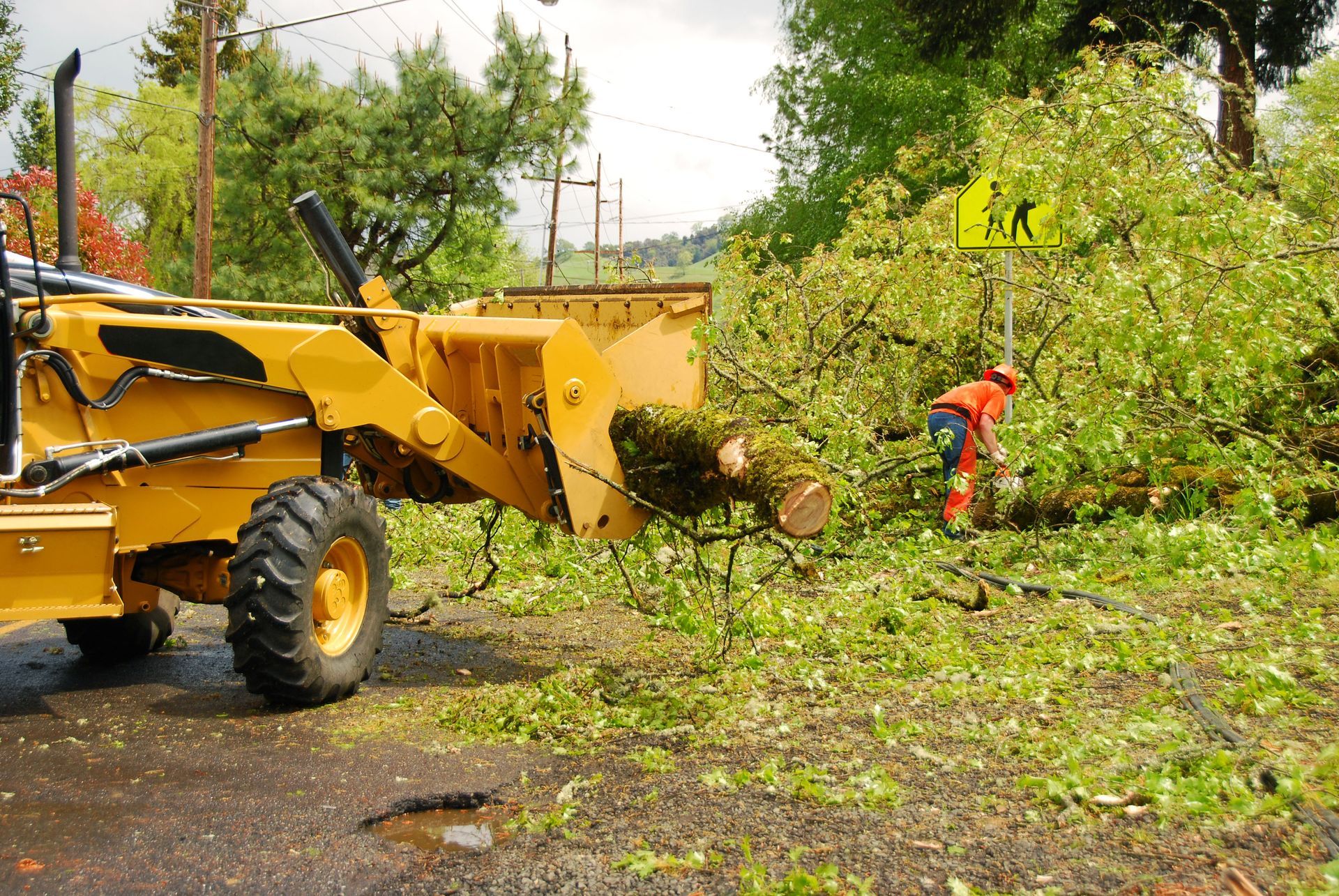
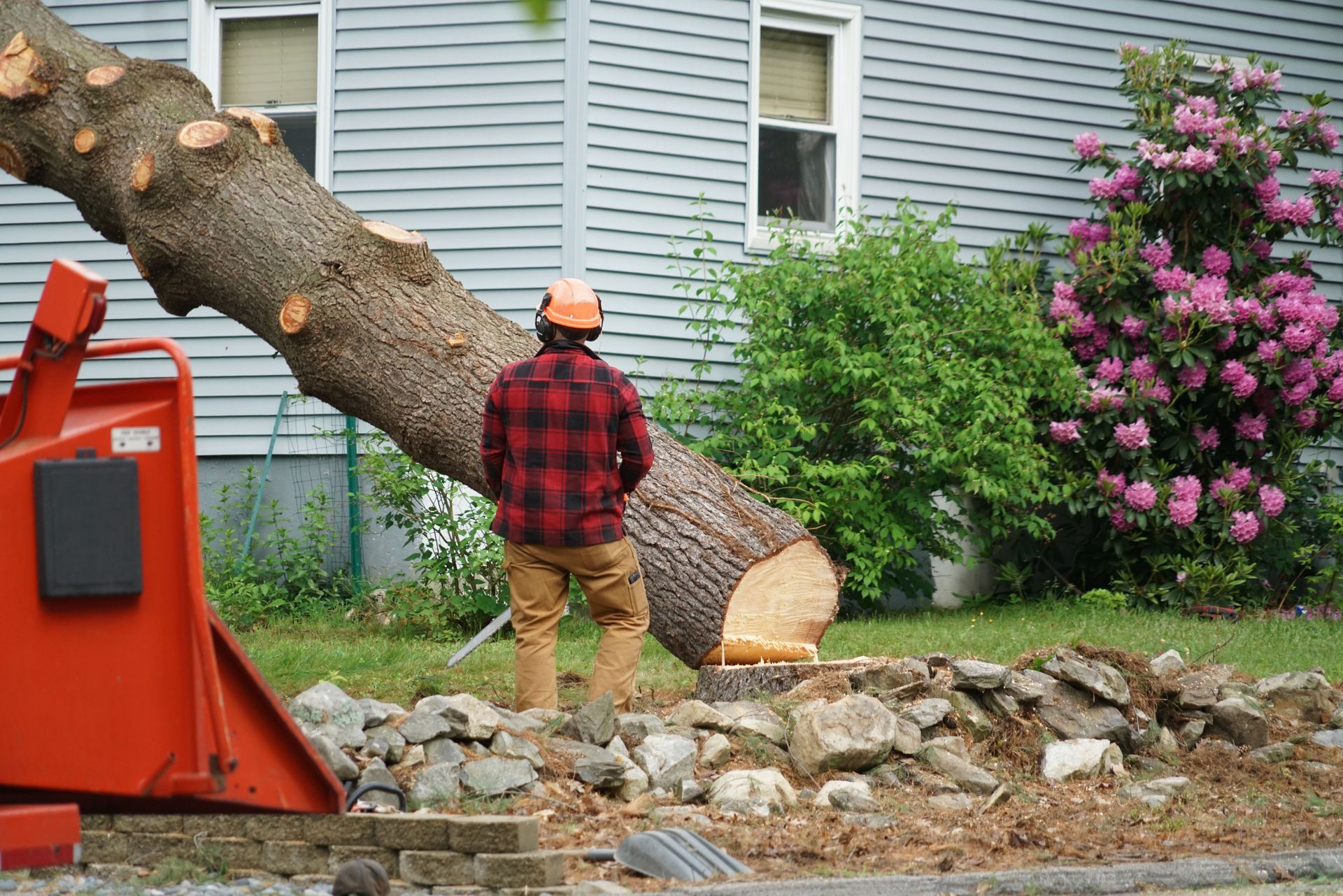
When the accumulation of storm injuries renders a plant completely unsalvageable, the focus must shift from preservation to safe, controlled extraction. Removing a large, structurally compromised organism is an incredibly complex task that requires specialized rigging equipment, heavy machinery, and an intimate understanding of physics and wood mechanics. Attempting to drop a damaged tree without professional guidance can result in severe personal injury, crushed roofs, and downed power lines, as the internal defects caused by the storm make the directional fall of the wood highly unpredictable.
The scale of the extraction task depends heavily on the physical dimensions of the specimen, as larger structures require significantly more time, labor, and specialized rigging to dismantle safely. According to Lawn Love, removing a small tree generally takes one to two hours, whereas removing a large tree usually takes three to four hours. This variation in execution time underscores the logistical complexity involved in managing larger landscapes, where technicians must carefully cut and lower massive wood sections piece by piece to avoid impacting surrounding structures or delicate garden beds. By leaving these dangerous extractions to a certified tree removal service, property owners ensure the work is completed efficiently, safely, and with minimal disruption to the surrounding landscape.
The violent forces of nature can leave lasting, debilitating scars on the health and structural integrity of your landscape. From shattered canopies and internal trunk fractures to destabilized root systems and aggressive fungal infections, the consequences of a severe storm demand proactive assessment and expert care. Recognizing the subtle signs of distress and understanding when a specimen can be saved through structural pruning—or when it must be safely extracted—is the key to maintaining a beautiful, secure property. At Costa Tree Service, LLC, we are collectively dedicated to protecting our community by providing expert diagnostic evaluations, precise storm restoration pruning, and emergency tree removal service when hazards arise. Contact us today to learn more.